Introduction
The Claude token limit you just searched is three separate limits: the Claude context window, max output per response, and plan usage caps. Each one stops a run in a different way, and each one prices that stop differently.
So this is for the developer or founder paying their own bill who hit a wall and wants to know which wall. We’ll give you the current number for each, and what hitting it costs in tokens, so you’ll pick the next move with the meter in view.
Estimate your Claude token costs instantly ⇒
The three limits Claude enforces
Claude enforces three limits at once: the context window (one request), max output tokens (one response), and plan usage caps (5-hour and weekly).
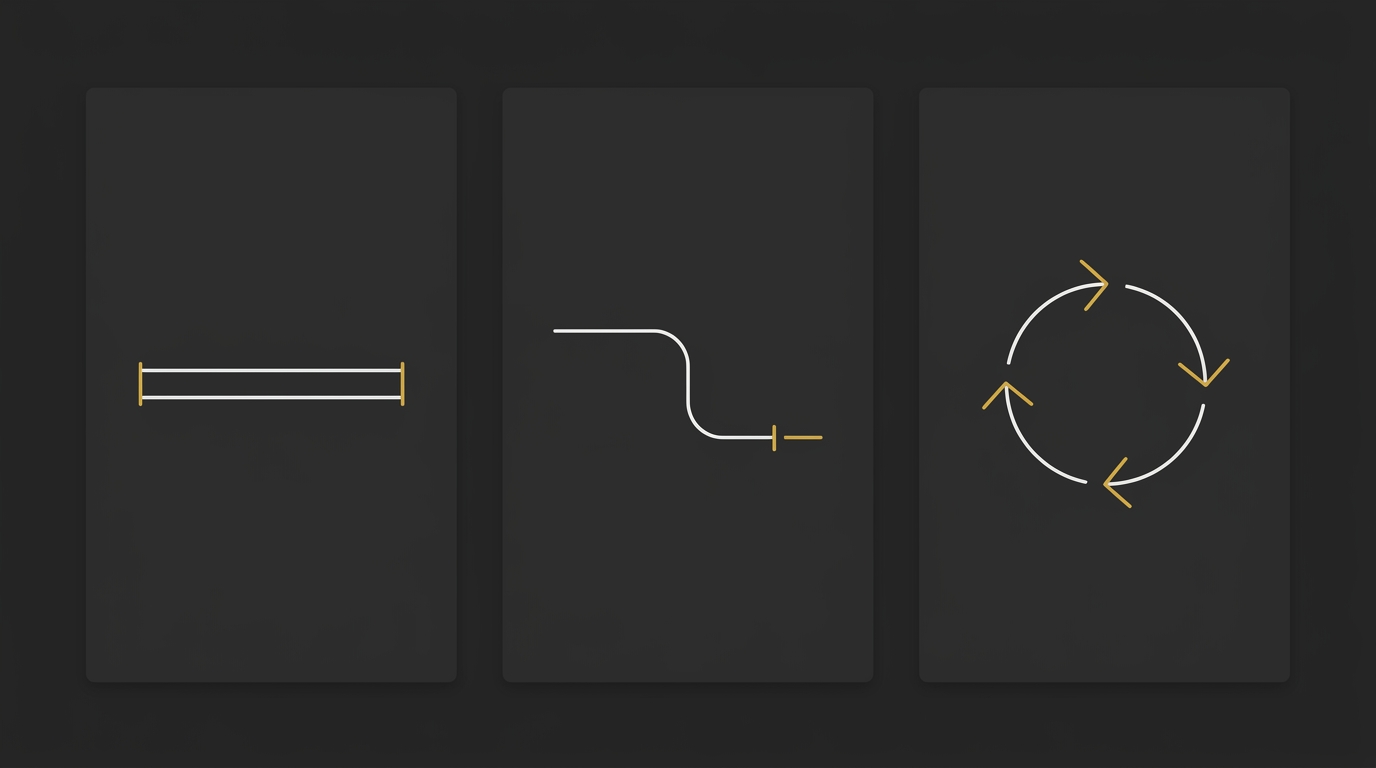
So each limit fails a different way, and you’ll match the stop you just hit before you upgrade the plan. Session and weekly usage limits lock the whole pool, and you can estimate your AI token costs instantly against a single call before that pool is even in play.
| Limit | What it caps | What happens when you hit it | Who it affects |
|---|---|---|---|
| Context window | Total tokens in one request | Request errors until you shrink the prompt | Every Claude request (API, chat, Claude Code) |
| Max output tokens | Tokens generated in one response | The reply truncates mid-generation | Every Claude completion |
| Plan usage caps | Shared 5-hour session plus weekly pool | Lockout until reset, or usage credits at API rates | Your Claude plan (chat, Claude Code, and Cowork share one pool) |
Context window and max output by Claude model
The context window is Claude’s working memory for a single request, and max output tokens cap one response. Anthropic meters that memory in tokens, so you’ll want what a token is before you size a prompt or a repo.
Paid Claude windows currently top out at 1 million tokens on the newest models (about 750,000 English words, 4 to 5 million characters, or 1,500 to 2,000 pages), and 500K and 200K windows are still in the mix, with a slice held for the reply. Opus, Sonnet, and Haiku all run on that same token meter, which is why 1 million tokens in AI is the conversion we use before you drop a technical book into one turn.
What it costs to fill the context window
The fill cost is the tokens in the context window divided by 1,000,000, times Anthropic’s list input rate. On Claude Opus 5 a 1M-token fill costs $5.00, and the same fill is $2.00 on Claude Sonnet 5 ($1.00 on Haiku 4.5, $10.00 on Fable 5).
Long-context tiers can change the rate mid-request once a threshold is crossed, so you’ll match the rate to the tier the request actually sits in. Output bills on its own line, so you’ll count input vs output tokens in the same estimate. And for agent workloads, measure cost per completed task across models: turns, resent context, and cache hits at a tenth of the input rate.
How Claude Pro and Max usage limits work
Paid Claude Pro and Max usage limits sit on a rolling five-hour clock plus a weekly cap, and both draw from one shared pool with Claude chat and Claude Code. Anthropic publishes those capacities as multipliers against Pro, and you’ll wait for the matching clock to reset when you hit either cap.
The 5-hour session limit
The 5-hour cap is a rolling window that resets every five hours. Pro is the 1x baseline for that window, and Anthropic rates it at least 5x the free tier per session (the Max names multiply that Pro baseline).
Max 5x gives 5x Pro capacity in that same window, and Max 20x gives 20x Pro. Field reports say depletion can feel faster during peak weekday hours, and the same stretch of work outside that window can last longer. When the session is empty, you’ll wait for the five-hour reset.
The weekly limit
Weekly limits sit on top of the five-hour clock and reset at a fixed time Anthropic assigns to your account. Anthropic tracks that weekly usage separately for Opus and for all other models, and each of those clocks resets on its own assigned time.
Your plan shares this weekly pool across Claude chat and Claude Code. When you hit the cap, you’ll wait for that assigned reset.
Why Claude Code burns plan limits so fast
Claude Code usage limits burn on re-sent context every time the agent loops. The meter is the prefix that’s already sitting in the window, and your typed instruction is a thin slice of that call.
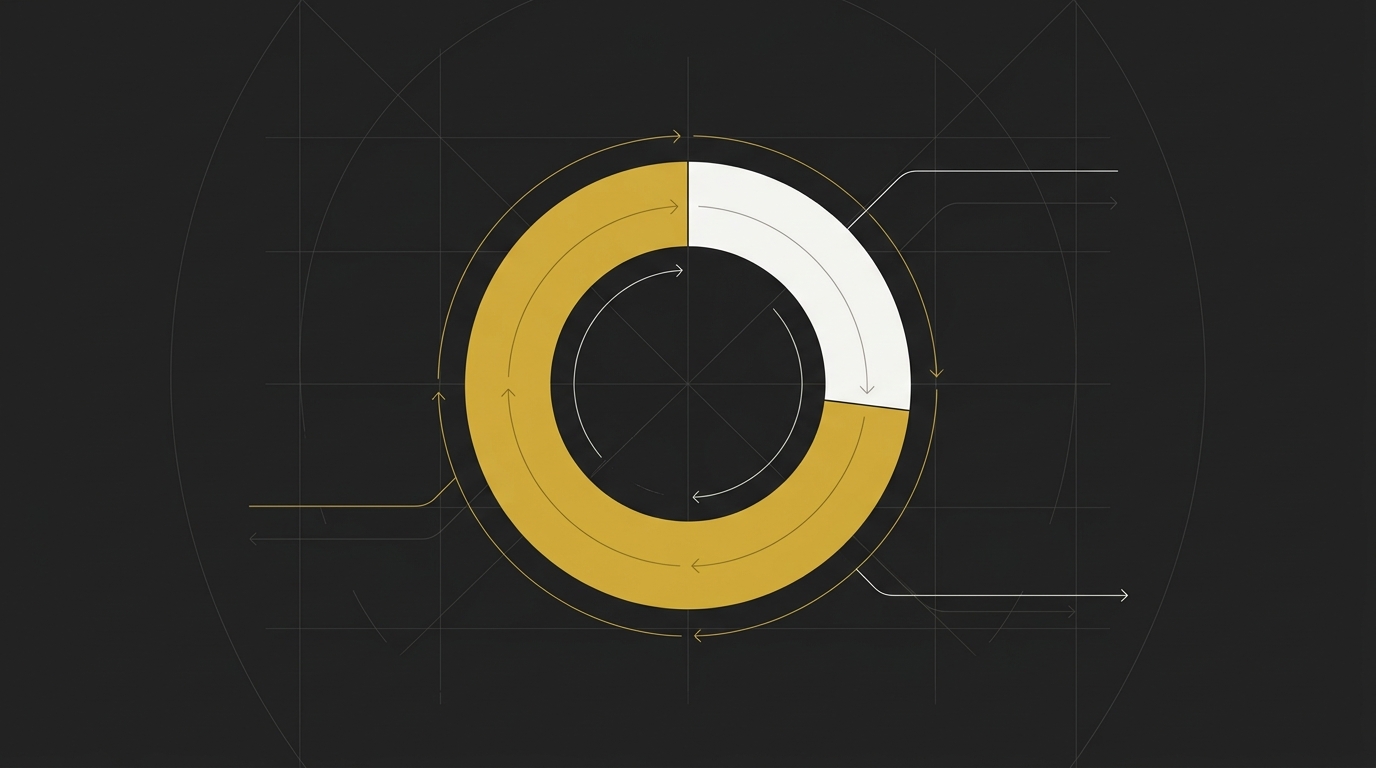
Each agent turn ships roughly 16,000 to 26,000 tokens of harness context before the instruction lands. That harness tax stays in the same band for a typo fix and a module refactor, with the fixed portion at roughly 73% of each call.
Across 40,977 turns over 90 days, cache re-sends about 330,000 tokens every turn. The 1-hour TTL saved roughly $2,608 in API-list-rate-equivalent value on that same work, and subscription plans already sit on the 1-hour cache automatically.
And MCP tool schemas ride along on every turn, so a pile of integrations can eat a large share of the context window before a keystroke. Why does a one-line prompt still drain the five-hour cap? Because earlier conversation, tool scaffolding, and loaded files are still being re-processed.
In long, frequently resumed work, cache reads can drop and cache creations spike. More of the thread gets re-processed until you start a fresh session.
So after rate limits hit, an audit of 926 runs put the burn in the prefix and the tool definitions. The Claude Code token cost on a real run tracks that resend, and that’s what drains the five-hour pool.
Plan or API: which is cheaper for your usage
Heavy interactive Claude work usually costs less on a Max subscription than at API list rates. Light, occasional calls usually cost less on the API, and you only know which side you’re on after you total the tokens.
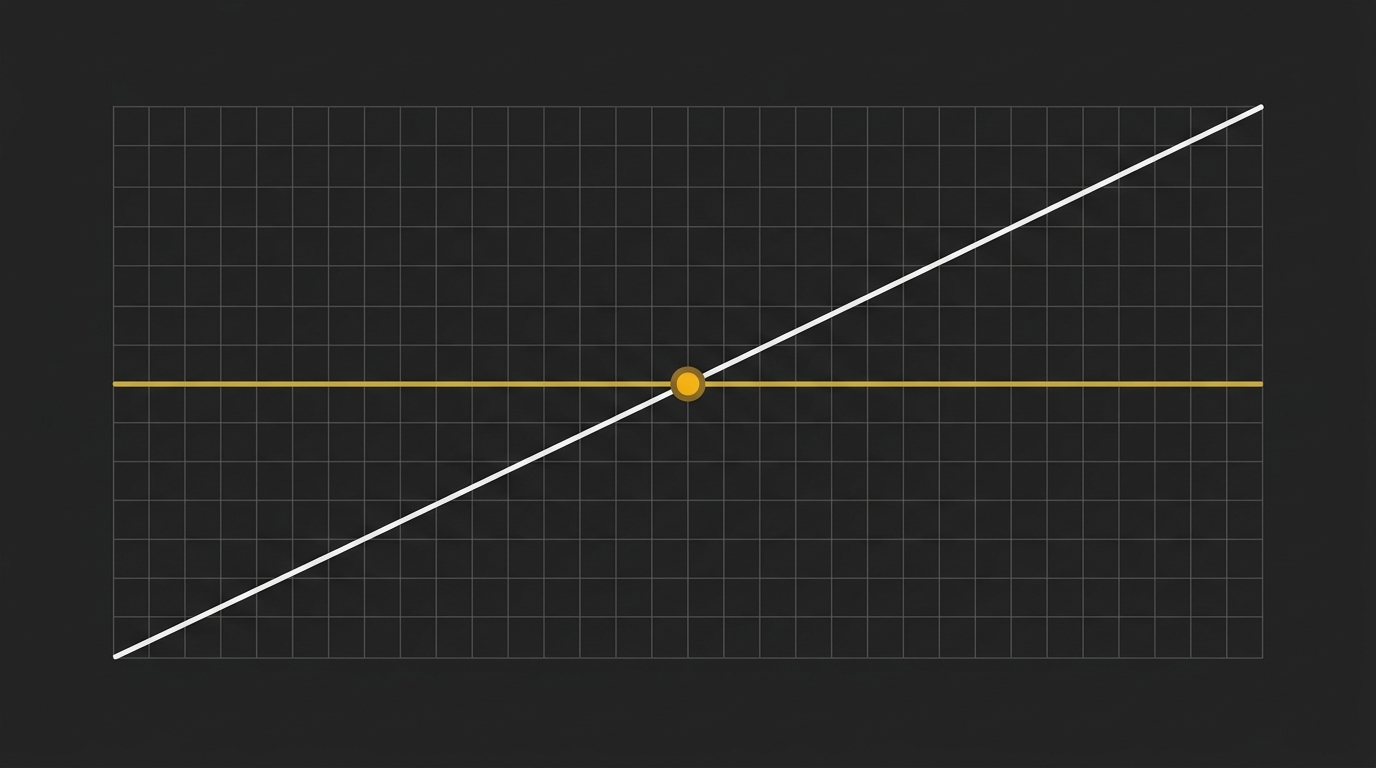
A Claude Max subscriber logged 6.5M tokens across a 35-day streak, about 304,000 a day (78% Opus 4.6, 21% Haiku 4.5, 1% Sonnet 4.6). Priced at API list rates, that same workload came to $4,924 against a $200 monthly plan.
A common experience is that a 20x Max name scales the five-hour session window, while weekly capacity grows more slowly. So the higher tier shows up most clearly inside a short burst, and the weekly cap is what governs a full week of Claude Code.
For iterative chat, a subscription already prices the repeated prefix in. Metered API calls get cheaper when cache-read discounts actually fire. Total the tokens with a Claude token counter, price them at list rates, and stack that number against the Max bill to see where your usage sits.
How to stay under each limit
Stay under each Claude limit by capping output first, then shrinking what gets re-sent, then caching the prefix that stays still. So set a max_tokens ceiling and measure that bill before you rewrite prompts or add a routing layer. The rest of these habits only pay off after that cap is in place.
Cap output with max_tokens
Set max_tokens first and ask for a tight output shape. Output is billed at three to six times input, and most workloads produce more tokens than anyone reads.
Clear context between tasks
Start a fresh conversation per task or phase, and summarize before you continue, so prior turns leave the context window. Use Claude Code’s native read, grep, and glob tools, which keep the prefix small.
Cache stable prefixes
A cache miss costs 12.5 times a cache hit for the same prefix. Keep tool definitions, the system prompt, and messages stable, in that order, so a 50,000-token session prefix stays a cheap read.
Route easy turns to Haiku
Keep Opus for complex reasoning and let Sonnet take the middle of the range. That stretches both the 5-hour session and the weekly cap on the stronger model.
Which wall you hit, and what to do next
The wall you’ll hit is the one your workload fills first: the context window on a single large request, max output on a long response, and the usage limits on heavy interactive or agent sessions. Those last ones sit on the five-hour and weekly clocks.

So paste a sample into our free AI Token Calculator to total the tokens and check whether a plan or the API is cheaper for that run. Estimate your AI token costs instantly and bookmark the tool so it’s ready for the next job.
Name the wall, then price the next run. Token Calculator ⇒
Frequently asked questions
Does Claude have a daily token limit?
Claude meters usage on a rolling five-hour session and a weekly cap, and that pair is the limit that gates a day’s work. Both clocks sit on the same shared pool as Claude chat. You’ll wait for the five-hour window to roll, or for the weekly reset, when you hit either wall.
How do I avoid hitting the Claude token limit?
Cap output first, then clear stale context, then cache the prefix that stays still, then route cheap turns to Haiku. Spend usually comes from wasted context in the session and from output size, which is the 3x to 6x side of the card, so count tokens, because a word-count guess understates English by roughly a third.
What is the maximum number of tokens in Claude Code?
The ceiling on one Claude Code request is that model’s working memory for a single call. And one reply is capped by max output. Anthropic publishes Pro and Max capacities as multipliers against Pro, on the five-hour and weekly clocks, while harness overhead and cache behavior dominate an agent run.
What is Claude’s context window size?
Claude’s context window is the working memory for a single request, and current Opus 5, Sonnet 5, and Haiku 4.5 fills go to 1M. Max output still caps the reply separately from that memory.
How many tokens do you get with Claude Pro vs Max?
Pro is the 1x baseline per five-hour window. Max 5x is 5x that allowance, and Max 20x is 20x Pro. Those usage limits apply across models and sit on the same pool as chat.
Do Claude Code and the Claude apps share the same limit?
Claude Code, Claude chat, and the other Claude apps draw from one pool. Every prompt, tool call, file read, and thinking block meters the same five-hour clock and weekly limits.